


Stop Farm Murders and White Genocide in South Africa and Namibia
- murdersstopfarm
- Jun 16, 2019
- 7 min read

Dear Fellow Members and the Public This page was created for all the South African people to make them aware of what is going on in South Africa on a daily basis on Farm Murders, Daily Murders, Rape and Abuses towards Woman and Children, Government Corruption normal Corruption. But this page is also to reach out World Wide to all countries around the globe in order for them to see what is happening in South Africa. And perhaps they can reach out to higher people that can possible help us ending this violent outrage. I also will include Namibia in this my reason is simple we experience the same violent activities as in South Africa perhaps not as highly as they do but we are getting there in time, we also experience the same problem as they do.
Since End of Apartheid in South Africa 68,800+ ( may have increased ) white people have lost there life include woman and children.
Crimes that have increased
South Africa has seen a 1 320 increase in murders, from 19 016 in 2016/2017 to 20 336 in 2017/2018. An average of 57 people are killed a day in the country, 46 of which are men, eight women and two children. This shows an increase from the average of 52 murder deaths a day in 206/2017.The murder rate is up by 6.9% in 2017/2018.Attempted murder also saw a slight 0.2% increase from 18 205 in 2016/2017 to 18 205 in 2017/2018.Cash-in-transit heists are up to 238 in 2017/2018, from 152 last year and 137 in 2015.Western Cape still sits highest on the list of crimes reported at police stations. Nyanga remains the most notorious area in the country, infamous for its gang violence, while Gauteng has seen a marked increase in taxi violence.The murders of women and children have also seen a notable increase, up by 146 reported cases.291 more women have been murdered in this period, 291 more than last year, with 117 boys and 29 girls.Crimes committed on farms have been released but there is no indication whether or not this shows an increase or a decrease.62 farm murders have been reported for this year; 33 house robberies, six attempted murders, two reported rape cases, two cases of stock theft, two robberies with a firearm, one carjacking incident and one reported kidnapping.
Crimes that have decreased
Robbery with aggravating circumstances dropped by 1.8% to 138 364 this year from 140 956 in 2016/2017.Common robbery also saw a notable decrease of 5% from 53 418 in 2016/2017 to 50 730 in 2017/2018.Assault with intent to inflict grievous bodily harm went down by 1.9%, from 170 616 in 2016/2017 to 167 352 in 2017/2018.Common assault cases also dropped by 0.1% in 2017/2018 to 156 243, from 156 450.
The most notable crime numbers
The most notable changes that we have seen so far are the marked increases in crimes related to cash-in-transit heists, murders, The Western Cape’s persisting problem with gang violence, the increase in crimes against women and children, and of course, farm murders.
Cash-in-transit heists
It was revealed that CIT heists are up by 0.7% this year. Meaning that 76 more incidents have occurred this year alone. Cele has made this one of his primary concerns this year.Read – Bheki Cele: Six important things to know about the Minister of PoliceAlthough very recently, the SAPS appeared to be winning the battle against CIT syndicates, the numbers are not looking good.
Western Cape’s ongoing battle with gang violence
In the murder category, Nyanga police station came up on top of the list where most murder cases were reported in 2017/2018.Compared to the period of April 2016 and March 2017, where 281 cases were reported, the period of 2017/2018 saw an increase of 9.6%.27 more murder cases were reported at this station and most of them have been attributed to the growing problem of gang violence in the province.
Crimes against women and children
This stat will probably affect South Africans the most. As much as many organisations tried to bring this problem to the forefront with protests and ongoing discussions of violence against women and children in the public forum, the numbers were up by 146 reported cases in 2017/2018.
Farm murders
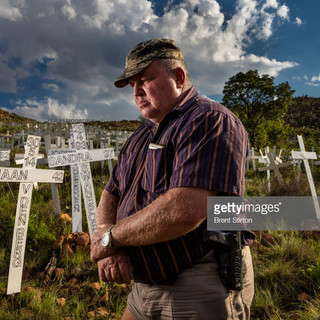
Much of the controversy that surrounds this stat is based on the reported number of farm killings that have been perpetuated by organisations like AfriForum.According to the crime stats, 62 reported farm killings have occurred in 2017/2018. The South African Police Service released the country’s crime statistics for 1 April 2016 to 31 March 2017 at the end of October 2017.The crime statistics in this factsheet are presented in both absolute numbers (19,016 murders, for example) and crime rates (34.2 murders per 100,000). The crime rate is used to allow fair comparisons between years, given that populations generally grow.We have summarised the main crimes of public interest in this factsheet.(Note: At the time of publishing this factsheet, the police had not disclosed which population estimates they used to calculate their crime rates. We have calculated the crime rates using the most recent estimates for 2015 and 2016, which were released in Statistics South Africa’s 2017 mid-year population estimates. The crime rates calculated using these figures differ marginally from the police’s figures.)
1. Murder
Murder is the unlawful and intentional killing of another person. It is the most reliable crime statistic. This is because, according to Gareth Newham from the Institute for Security Studies, most murders can be independently verified.In 2016/17, the police recorded a total of 19,016 murders, up from 18,673 murders in 2015/16. The murder rate increased marginally from 34.1 to 34.2 per 100,000 people. The Eastern Capeprovince had the highest murder rate at 55.9 per 100,000 people.In 2016/17, an average of 52.1 people were murdered every day.
Attempted Murder
A total of 18,205 attempted murders were reported to the police in 2016/17, up from 18,127 the previous year. The attempted murder rate decreased from 33.1 to 32.7 per 100,000 people.Also read: #CrimeStats: The ten areas in South Africa where most murders are reported
2. Sexual Offences
The sexual offences crime category contains the crimes detailed in the Criminal Law (Sexual Offences and Related Matters) Act. Crimes that fall under this broad category include rape, compelled rape, sexual assault, incest, bestiality, statutory rape and sexual grooming of children, among others.In 2016/17, a total of 49,660 sexual offences were recorded by the police, down from 51,895 in 2015/16. The far majority of the sexual offences recorded were rapes, followed by sexual assaults.
Rape
Rape is an offence included under the broad category of sexual offences.South Africa’s legal definition of rape is very broad. It includes the oral, anal or vaginal penetration of a person (male or female) with a genital organ, anal or vaginal penetration with any object and the penetration of a person’s mouth with the genital organs of an animalThe police recorded a total of 39,828 rapes in 2016/17, down from 41,503 in 2015/16. An average of 109.1 rapes were recorded each day.The rape rate decreased from 75.8 to 71.6 per 100,000 people. The Eastern Cape had the highest rape rate at 105.3 per 100,000 people.The Institute for Security Studies warns that “the rape statistics recorded by the police cannot be taken as an accurate measure of either the extent or trend of this crime”.Unfortunately, there is no recent, nationally representative underreporting rate for South Africa that can be used to estimate the number of rapes committed each year.GUIDE: Rape statistics in South Africa
Sexual assault
The police recorded a total of 6,271 sexual assaults, up marginally from 6,212 in 2015/16.
3. Assault
Common assault
Common assault is the “unlawful and intentional direct and indirect application of force to the body of another person” or “threat of application of immediate personal violence to another”.In 2016/17, 156,450 common assaults were recorded. On average, 428.6 people were victims of common assault every day.The assault rate decreased from 301.3 per 100,000 people to 281.3 in 2016/17.The Institute for Security Studies cautions that these statistics may not reflect reality: “Police statistics for assault are notoriously unreliable because most victims don’t report these crimes to the police. Since the victim and perpetrator may be related (such as in a case of domestic violence) victims are often reluctant to disclose assault.”
Assault with the intent to inflict grievous bodily harm
In 2016/17, 170,616 assaults with the intent to inflict grievous bodily harm were recorded. This means on average 467.4 assaults with the intent to inflict grievous bodily harm were recorded every day.The rate of these type of assaults decreased from 334.1 per 100,000 people in 2015/16 to 306.8 in 2016/17.
4. Robbery
Common Robbery
A robbery is committed when a person unlawfully and intentionally forcefully removes and appropriates property belonging to another person.In 2016/17, 53,418 common robberies were recorded, down from 54,110 the year before.The robbery rate decreased from 98.8 per 100,000 people in 2015/16 to 96 in 2016/17.On average, 146.4 common robberies were recorded each day.
Robbery with aggravating circumstances
Robbery with aggravating circumstances occurs when a person uses a gun or weapon to unlawfully and intentionally forcefully remove property belonging to another person.In 2016/17, 140,956 robberies with aggravating circumstances were recorded. This is a 6.4% increase from 2015/16.The robbery with aggravating circumstances rate increased from 242.1 in 2015/16 to 253.4 in 2016/17.On average, 386.2 robberies with aggravating circumstances were recorded each day.
House robbery
House robberies occur when people are confronted in their homes and are victims of theft.In 2016/17, there were 22,343 incidents of house robbery recorded. On average, 61.2households were robbed each day.The house robbery rate increased from 38 per 100,000 people in 2015/16 to 40.2 in 2016/17.South Africa’s 2016/17 victims of crime survey revealed that only 56.7% of victims reported the crime to the police.
5. Hijacking of cars
In 2016/17, the police recorded 16,717 carjacking incidents in South Africa. This was the highest number recorded in the past ten years.The hijacking of cars increased 14.5% from the 2015/16 figure of 14,602.On average, 45.8 cars were hijacked per day in 2016/17. Over half of the crimes occurred in Gauteng.
6. House burglary
A house burglary is committed when a person “unlawfully and intentionally breaks into a building” with the intention to take something on the premises.It was reported as the most feared crime in South Africa in the 2016/17 Victims of crime survey.In 2016/17, 246,654 house burglaries were recorded – an average of 675.8 houses every day.The house burglary rate decreased from 457.7 in 2015/16 to 443.5 in 2016/17.South Africa’s 2016/17 victims of crime survey revealed that 28.3% of house burglary victims did not report the crime to the police because they thought the police would not act.
7. Theft of car or motorcycle
In 2016/17, 53,307 cars or motorcycles were stolen – an average of 146 each day. This is down from 53,809 in 2015/16.
8. Drug-related offences
This crime category includes the crimes of use, possession of and dealing in drugs.The police note that this crime category is “usually not reported to the police by members of the public. These crimes come to attention primarily as a result of police actions like roadblocks and searches.”When drug-related crimes show an increase it is not always a bad thing: “An increase in these crimes may actually indicate that the police are more active, whereas a decrease may indicate reduced police activity.”In 2016/17, the police recorded 292,689 – an average of 801.9 offences each day. This means that 526.2 crimes were recorded for every 100,000 people in the country, up from 473.4 in 2015/16.


Comments